
The Role of the DISC Assessment in Onboarding and Employee Development

Introduction In today’s competitive world, businesses are always searching for better ways to choose the right people for their teams. They also want to help those employees grow over time. Hiring is one of the most important steps for any company because the success of the business often depends on the talent, personality, and skills of its workers. Once people are hired, employers must also invest in their development to keep them motivated, skilled, and loyal. One popular tool that organizations are using to achieve these goals is the DISC assessment. This simple but powerful tool looks at human behavior, communication styles, and personality traits. This gives companies insight into how people think and act. Using DISC for onboarding and employee development is becoming more valuable as organizations search for ways to build strong, productive, and cooperative teams. The idea of using behavioral assessments like DISC has gained attention because it is both practical and easy to understand. Unlike overly complex psychological tools, DISC helps employers quickly recognize the differences in communication and working styles among employees. Understanding these differences can prevent conflicts, improve teamwork, and guide leaders in placing the right person in the right job. This article will explore how DISC assessment is used in hiring, training, leadership, and ongoing employee development. It will also explain why this method is becoming so important for modern organizations that want to balance efficiency with employee satisfaction. Understanding DISC and Its Importance in the Workplace The DISC model was created based on the work of psychologist William Moulton Marston. Marston believed that human behavior could be grouped into four main styles: Dominance (D), Influence (I), Steadiness (S), and Conscientiousness (C). Each letter represents a unique way of thinking, acting, and communicating. For example, people with strong Dominance traits tend to be direct, confident, and results-focused. While those with high Influence are outgoing, social, and persuasive. On the other hand, individuals with high Steadiness are patient, dependable, and cooperative. Those with high Conscientiousness are detail-oriented, careful, and analytical. Using DISC for onboarding and employee development is essential for success. The DISC assessment from Your Life’s Path measures where a person fits within these categories. This helps organizations better understand their natural strengths and challenges. The DISC assessment is not a predictor of success or performance in a role. However this information can be very valuable when employers are deciding whom to hire for a specific role. For instance, a sales position might benefit from someone with strong Influence and Dominance traits. A technical or quality-control job might be a better fit for someone with Conscientiousness. By identifying these traits early, employers reduce the risk of hiring someone who may not thrive in the position. Beyond hiring and onboarding, DISC is also important for workplace communication. Misunderstandings often happen when two people with very different styles try to work together without realizing their differences. A Dominant person may seem too aggressive to someone with high Steadiness, while an Influencer’s enthusiasm may overwhelm a detail-oriented Conscientious employee. By recognizing these natural tendencies, teams can adjust how they communicate and cooperate, leading to fewer conflicts and more harmony in the workplace. This makes DISC not just a hiring tool, but a long-term development strategy. How DISC Assessment Improves the Hiring Process The hiring process is one of the most critical steps for a business because a single bad hire can cost a company both money and time. Resumes, interviews, and references give some information about a candidate, but they don’t always reveal how a person will act under pressure, work in a team, or solve problems. This is where the DISC assessment becomes an effective tool for an additional dimension of data about the candidate. By using it during recruitment, employers gain a deeper understanding of how a candidate’s behavior matches the job requirements. For example, if a company is hiring a customer service representative, they need someone who can stay calm under pressure, communicate clearly, and show empathy. A candidate with high Steadiness and Influence traits might be a good fit. On the other hand, if the position requires strict attention to rules and details, such as accounting, a person with strong Conscientiousness would likely perform better. By combining traditional hiring tools with DISC, companies can make more accurate decisions and reduce the risk of high employee turnover. DISC also helps improve fairness in hiring. Instead of judging candidates only on gut feelings or first impressions, employers have measurable insights into how each person might perform in the role. This creates a more balanced approach and gives every candidate a fair chance to be considered for their natural strengths. Moreover, candidates who are placed in roles that fit their personality are more likely to feel satisfied and motivated, which reduces stress and increases productivity. Over time, this leads to a workforce that is better aligned with the company’s needs and culture. It should be noted however that a DISC style alone is not a sound basis for a hiring selection, rather one of many dimensions of data about a candidate. Role of DISC in Employee Training and Development Hiring is only the beginning of the journey. Once employees are part of the company, they need ongoing training and development to improve their skills and grow within the organization. The DISC assessment provides valuable insights that can shape personalized training programs for employees. Instead of using a one-size-fits-all approach, companies can create learning strategies that match each employee’s behavioral style. For instance, employees with high Dominance might prefer fast-paced, results-driven training where they can immediately apply what they learn. On the other hand, those with high Steadiness might prefer slower, step-by-step learning with opportunities to practice in a safe environment. By recognizing these differences, managers can ensure that every employee benefits from training programs rather than feeling overwhelmed or disengaged. DISC also helps in leadership development. Some employees naturally display leadership traits, but the way they lead may differ depending on their style. A
Can the DISC Personality Test Help Improve Relationships?

Introduction Every relationship, whether between friends, family, or partners, is built on understanding and communication. Yet, misunderstandings are common because people have different ways of expressing themselves, handling stress, and showing emotions. One tool that has gained attention for improving human connections is the DISC personality test from Your Life’s Path. This test groups people into four main styles: Dominance, Influence, Steadiness, and Conscientiousness. By learning how each style behaves and communicates, people can bridge gaps and avoid unnecessary conflicts. The question many ask is, Can the DISC Personality Test Help Improve Relationships? Exploring this question reveals how personality awareness can transform the way we relate to others in everyday life. Understanding the DISC Personality Test in Simple Terms The DISC model was created to simplify how people view human behavior. Instead of assuming that everyone thinks and acts the same, it organizes personalities into four types. Dominant personalities like to lead and make decisions quickly. Influencers are energetic and enjoy social interactions. Steady personalities prefer peace, stability, and trust, while Conscientious types are detail-oriented and careful thinkers. When people understand their own personality type and the types of those around them, they gain insight into why certain situations cause stress or why certain people communicate differently. This understanding helps remove frustration and creates room for patience, empathy, and improved cooperation. Improving Communication Through Personality Awareness One of the greatest struggles in relationships is communication. People often talk but do not truly understand each other’s needs. A Dominant type may come across as too direct or controlling, while a Steady type may feel overwhelmed and prefer harmony. Without awareness, these differences can lead to arguments or silent resentment. By using DISC as a guide, partners, friends, or coworkers can identify what style works best for each person. For example, an Influencer enjoys open, fun conversations, while a Conscientious person values clear, well-organized communication. When individuals adjust their approach, it makes others feel heard and respected, creating stronger bonds and fewer conflicts. Building Trust and Reducing Conflict Trust is the foundation of any healthy relationship, and it grows when people feel understood. Miscommunication often damages trust, especially when personalities clash. The DISC test helps reduce this by showing people that behavior differences are not personal attacks but simply different ways of handling life. When someone recognizes that a Dominant partner is not being bossy but simply prefers quick decision-making, they are less likely to take offense. Similarly, learning that a Steady person avoids conflict not because they do not care, but because they value peace, builds respect. This reduces unnecessary conflict and strengthens trust, which is essential for long-lasting connections. Applying DISC in Everyday Relationships The usefulness of DISC from Your Life’s Path goes far beyond theory; it can be applied in real-life relationships. Couples can use it to understand each other’s emotional needs, such as one person needing more reassurance while the other values independence. Families can apply DISC to parent-child relationships, helping parents better understand their children’s behavior. In the workplace, it supports teamwork by allowing colleagues to recognize strengths and weaknesses, preventing miscommunication. Even friendships benefit when people recognize how their friends like to spend time, solve problems, or express feelings. In each case, DISC serves as a tool for building stronger connections and preventing misunderstandings before they turn into bigger issues. Improving relationships with the DISC personality test is a key benefit that is very versatile in life. Answering the Big Question: Can the DISC Personality Test Help Improve Relationships? At the heart of this discussion is the key question: Can the DISC Personality Test Help Improve Relationships? The evidence shows that it can, when people actively use the insights it provides. By revealing how personalities differ and why people react the way they do, the DISC model promotes empathy, flexibility, and patience. Instead of trying to change others, individuals learn to adapt and appreciate differences. The test is not a magic solution, but it is a powerful guide that can encourage healthier, happier, and more respectful relationships in every part of life. Conclusion Relationships thrive when there is mutual understanding, trust, and respect. The DISC personality test offers a clear and practical way to achieve this by breaking down human behavior into four understandable styles. Through awareness of differences, improved communication, and reduced conflict, people can build stronger bonds at home, work, or in friendships. While no test can solve every challenge, the DISC model encourages a mindset of empathy and growth. So when asking, “Can the DISC Personality Test Help Improve Relationships?” the answer is yes—it provides valuable tools to improve how we understand ourselves and the people we care about, leading to healthier and more fulfilling connections.
Video: How DiSC® Improves Team Communication
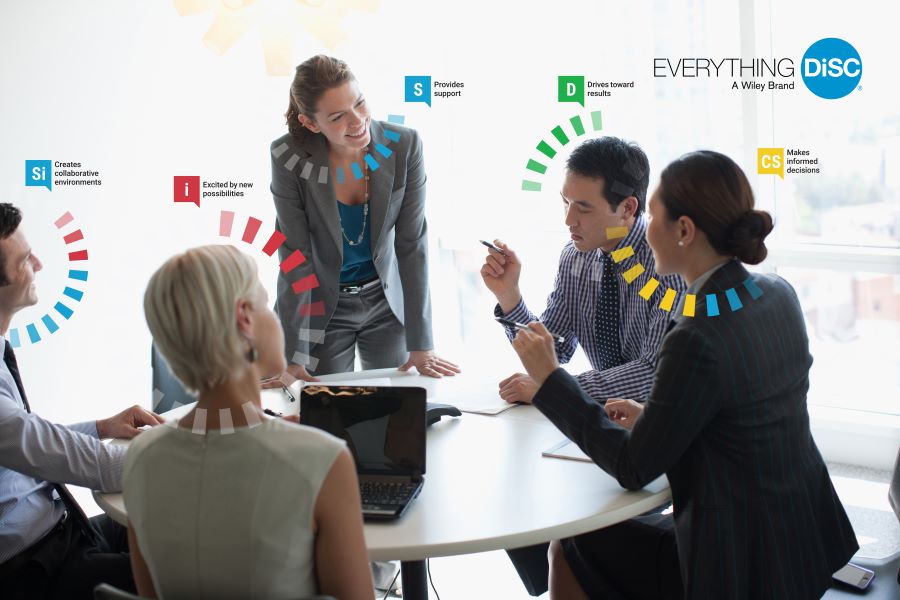
Curious which DiSC style you lead with? D – Dominance: Big-picture thinkers. Fast-moving, no-fluff, get-it-done types. i – Influence: Life of the party. Talkers, connectors, motivators. S – Steadiness: Listeners, supporters, the glue holding teams together. C – Conscientiousness: Precise, logical, obsessed with getting it right. Want to improve how your team communicates and works together? Do so using DISC to improve team communication. The Everything DiSC® assessment gives you a simple, powerful way to do just that. What the Everything DiSC Helps You Do: ✅ Communicate clearly ✅ Lead with confidence ✅ Boost team performance ✅ Handle conflict like a pro ✅ Understand yourself on a deeper level By understanding each team member’s DiSC style, you can start building better conversations, stronger collaboration, and a healthier workplace culture—without guesswork or awkward team-building exercises. Using DiSC to improve team communication add significant value to the organization. When teams know how to read and relate to each other, productivity goes up—and frustration goes down. Browse our DiSC options and order here So whether you’re a manager, team leader, or just want to help your group work better together, the official DiSC assessment is a great place to start. Everything DiSC® is a registered trademark of John Wiley & Sons, Inc.
Video: Why PXT Select™ Is a Game-Changer for Hiring

Hiring smarter starts here. Have you ever hired someone who looked great on paper… but just wasn’t the right fit? Next time, hire intelligently with the PXT Select! PXT Select™ from Your Life’s Path helps you avoid those costly mistakes by giving you clear, easy-to-understand data on every candidate you interview. Whether you’re building a sales team, hiring for leadership or just want to improve your hiring process across the board—PXT Select gives you the insights to make confident, informed decisions. 🔍 What it shows you: ✔️ Cognitive abilities ✔️ Behavioral traits ✔️ Job fit based on performance models ✔️ Interview questions tailored to each candidate ✔️ Coaching tips for onboarding success Stop guessing. Start hiring with confidence. Hire intelligently with the PXT Select! Learn more at www.yourlifespath.com/?view=PXT-Select-Overview #HiringTools #PXTSelect #TalentOptimization #SmartHirings PXT Select™ is a trademark of John Wiley and Sons, Inc.
EPIC Accounts Explained: How Organizations Can Scale DiSC® Without Starting Over
In today’s evolving workplace, tools that once supported small-scale DISC origination and administration now need to adapt to entire organizational ecosystems. As businesses grow, so does the complexity of team dynamics, leadership pipelines, and cross-functional communication. Scaling up doesn’t just mean doing more, it means doing better without losing consistency or clarity. That is where EPIC comes in. If you are a higher volume DiSC user (25+ reports) you can use EPIC to scale your DiSC usage. For organizations that rely on behavioral frameworks, Everything DiSC® assessment profiles, available from Your Life’s Path, have become a cornerstone in shaping communication-first cultures. These profiles offer clear, personalized insights into how individuals interact, lead, and collaborate. But while the assessments themselves are powerful, the real magic lies in how they’re deployed. That’s where EPIC (Electronic Profile Information Center) accounts come into play. By centralizing the administration of Everything DiSC assessment profiles, EPIC accounts help HR departments, training firms, and internal coaches manage DiSC profiles and team reports with precision and flexibility. Whether you’re handling onboarding for ten people or facilitating leadership development for a global team, EPIC allows you to scale with confidence. Effectively, you can EPIC to scale your DiSC usage. Let’s explore what EPIC accounts are, how they work, and why they have quietly become a game-changer for scaling DiSC effectively across teams. What Is an EPIC Account? EPIC stands for Electronic Profile Information Center. It is a secure online platform developed by the creators of Everything DiSC that allows organizations to issue, manage, and store assessment profiles in one centralized space. Think of EPIC as your organization’s DiSC command center. Instead of managing assessments manually, such as emailing links, waiting on PDF reports, or storing results across various drives, EPIC accounts provide a streamlined, professional environment to handle everything in one place. When a company has its own EPIC account, it controls who receives assessments, how reports are shared, and where insights are stored. This ensures consistency, efficiency, and data security, which are often lacking in ad hoc training rollouts. Why EPIC Matters for Modern Learning and Development Scaling DiSC across departments or locations involves more than simply distributing assessments. It is about sustaining a behavioral language within your organization. This language promotes accountability, empathy, and productive collaboration. This kind of culture shift does not happen in a single workshop. It takes ongoing reinforcement of behavioral insights that are integrated into hiring, leadership development, and day-to-day communication. EPIC accounts make this process not only possible but manageable. With EPIC, HR professionals and L&D leaders can: ● Send assessments to hundreds of team members with just a few clicks ● Monitor real-time completion status and send automated reminders ● Generate tailored reports based on specific contexts such as leadership, sales, or conflict resolution ● Track development over time across individuals and teams ● Reprint or resend profiles without requiring employees to retake assessments DiSC, when supported by EPIC, becomes more than a one-time tool. It evolves into a long-term behavioral framework that fuels continuous growth. From Manual to Meaningful: The Advantage of Control Without an EPIC account, many organizations rely on third-party vendors or consultants to manage DiSC distribution, reporting, and storage. While this model may suffice for small teams or short-term engagements, it quickly becomes inefficient as companies scale or undergo change. EPIC accounts return control to the organization. You decide how and when DiSC is used. You can assign different reports based on job function, department, or initiative. You can revisit archived results during performance reviews, conflict resolutions, or leadership transitions. You can even customize the branding on reports to reflect your company’s identity. This level of ownership ensures you never have to restart your development strategy from the ground up. Whether you are onboarding ten new hires or preparing for a company-wide leadership program, EPIC lets you scale with speed and consistency. How Your Life’s Path Helps You Build with EPIC Your Life’s Path brings more than 18 years of experience in DiSC facilitation, team development, and organizational transformation. With over 65,000 professionals served, the company does more than distribute assessments. It partners with clients to ensure DiSC becomes a cultural cornerstone. Organizations interested in managing their own DiSC delivery can partner with Your Life’s Path to establish an EPIC sub-account. This includes a fully customized portal, hands-on training, and ongoing expert support to help you align DiSC reporting with your broader people strategy. The goal is not just automation. It is a transformation. With Your Life’s Path, organizations gain the ability to lead their own DiSC journey while benefiting from the guidance of seasoned professionals. Customization Without Complication A common misconception is that EPIC accounts are only suitable for large enterprises. In truth, the platform is highly flexible. Whether you are a startup with 15 team members or a multinational nonprofit, EPIC can be tailored to meet your needs. Key customization features include: ● Preloading learner names and email addresses ● Choosing between self-paced assessments or group training formats ● Personalizing email invitations and automated reminders ● Adding internal notes or protocols to guide learners ● Branding reports with your company’s logo and messaging Despite the extensive customization options, EPIC is user-friendly. The intuitive dashboard allows administrators to track progress, manage credits, and generate reports without technical expertise. It is a platform designed for people, not IT teams. EPIC Accounts in Action: Real-World Use Cases The value of EPIC is best understood through practical application. Here are some common use cases: Is EPIC Right for Your Organization? If your organization is committed to embedding DiSC into its long-term development framework and using more than just a few DiSC profiles per year, then an EPIC account is a wise choice. It provides the flexibility, structure, and autonomy needed to keep behavioral learning alive across every stage of growth. Whether you are just beginning to explore DiSC or looking to scale an existing initiative, Your Life’s Path offers expert guidance and seamless onboarding to ensure your organization
From Assessment to Action: Making the Most of Your DiSC® Profile in the Workplace

In today’s workplaces, development programs often begin with good intentions and fade without follow-through. Teams attend a workshop, complete a test, and return to the same misalignments that held them back before. The true value of any behavioral assessment is not found in the moment of discovery, but in the long-term actions it inspires. This is where the Everything DiSC® profile shines – not as a box-checking exercise, but as a practical guide to better collaboration, stronger leadership, and sharper self-awareness. In short, you can substantially optimize team performance with the DiSC profile from Your Life’s Path. The DiSC profile offers a behavioral lens, helping individuals understand how they approach problems, influence others, respond to pace, and deal with structure. These behavioral tendencies often explain what résumés do not. For example, how someone shows up when stakes are high, how they absorb feedback, or why two equally skilled professionals lead so differently. While the DiSC framework starts with a self-assessment, its power grows when the insights are integrated into the everyday fabric of workplace life. The Behavioral Lens That Changes How We Work Unlike fixed personality types, DiSC profiles are adaptable and context-sensitive. They reflect how someone typically behaves under pressure or in group dynamics. A manager with a high Dominance score might take swift control in a crisis, while a teammate with a high Steadiness profile might bring calm and focus when change feels overwhelming. Understanding these differences allows organizations to move from conflict to cooperation and from friction to flow. Your Life’s Path helps professionals make this transition from insight to implementation. As a trusted provider of Everything DiSC assessments and team development solutions, the company offers more than diagnostics. With over 18 years of experience and more than 65,000 professionals served, it has become a cornerstone for organizations seeking not just information but transformation. Through personalized coaching, EPIC sub-accounts, and virtual leadership workshops, the firm equips people to use DiSC not only to understand themselves but also to work better with others. From Awareness to Alignment The real value of a DiSC profile unfolds when leaders apply it to actual interactions. Consider a project manager who tends to dominate discussions. A DiSC assessment might confirm their natural preference for quick decisions and directness. With that awareness, they can shift their approach—slowing down to invite more input, clarifying their intent, or deferring to others where collaboration is key. This is how to optimize team performance with the DiSC profile. Likewise, a team member with a high Conscientiousness score might tend to overanalyze or hesitate in fast-paced settings. Knowing this can help them develop confidence in time-sensitive tasks, while leaders can offer the structure and reassurance needed to keep things moving. DiSC makes it possible to depersonalize feedback and focus on behaviors rather than character. When these patterns become a shared language across a team, alignment improves. Colleagues begin to anticipate each other’s needs, adapt their communication styles, and reduce emotional misfires. Over time, the office becomes less about avoiding tension and more about building trust. Coaching Conversations That Stick One of the most practical uses of DiSC profiles is in coaching and feedback. A manager might use a DiSC report to tailor how they deliver praise or constructive input. A dominance-driven employee may appreciate direct, to-the-point recognition, while an influence-oriented one may value public appreciation or enthusiasm. This also applies in conflict resolution. DiSC helps normalize the idea that friction is not about personality flaws but instead stems from different behavioral languages. When used well, it reframes tension as an opportunity to meet in the middle rather than dig in defensively. Coaching tools provided by organizations like Your Life’s Path go beyond explaining what DiSC means. They offer actionable insights into how different profiles can adjust communication, lead with empathy, and work across differences. When applied consistently, DiSC becomes less of a report and more of a reliable guide in everyday decision-making. Building a Culture of Continuous Adaptation One of the overlooked strengths of DiSC is its ability to scale across time and teams. It does not rely on memorized tips or one-time lessons. As new hires join, as teams shift, and as leaders rise into new roles, the behavioral language of DiSC remains relevant. The more fluent a workplace becomes in this shared language, the more resilient it is in the face of change. Rather than starting from scratch with every new initiative, teams already have a roadmap for understanding one another. This saves time, reduces conflict, and improves clarity. In long-term training engagements, DiSC is often paired with 360-degree reviews, team mapping, and leadership academies. When used this way, it moves from being a self-assessment tool to a backbone of cultural development. With guidance from experienced facilitators, it supports both personal growth and team-level accountability. Turning Insights into Impact Too many assessments end with a printed report and no clear next step. DiSC invites something different. It calls for a mindset of ongoing curiosity, of noticing patterns, trying new approaches, and communicating more purposefully. It rewards self-awareness with real results: smoother meetings, less friction, and more authentic collaboration. When companies partner with seasoned providers like Your Life’s Path, they gain access to more than just a test. They gain systems, coaching frameworks, and workshop strategies that bring DiSC to life in meaningful, measurable ways. The assessment becomes a tool for growth, but also a mirror for alignment. A Smarter Approach to Team Development DiSC is not a shortcut or a personality quiz to leave in a drawer. It is a behavioral framework with power that only grows over time. From first impressions to final decisions, understanding how people show up, and why they act the way they do can shift everything from productivity to trust. When teams take their DiSC insights seriously and apply them intentionally, the workplace becomes less reactive and more responsive. Leaders step into conversations with clarity. Teams manage pressure without panic. People feel seen and heard- not in abstract terms, but
The Science of Team Fit: Using DiSC® to Build Communication-First Cultures

Introduction: When Skills Aren’t Enough Most teams don’t struggle because of skill gaps, they struggle because of fit. The right talent in the wrong dynamic can create more friction than flow. That’s where the Everything DiSC® comes in. More than just a personality tool, DiSC reveals the relational patterns that shape team behavior, enabling organizations to build environments where communication is not just a value but a strategy. This is where organizations are using DiSC to build highly communicative cultures. The Pitfalls of Conventional Hiring and Team Design Traditional hiring emphasizes résumés, technical expertise, and one-size-fits-all leadership development. These criteria are necessary but insufficient. Communication breakdowns, silos, and personality clashes don’t show up on résumés. When organizations fail to measure behavioral compatibility, they overlook one of the most critical dimensions of long-term team success. This is where DiSC analysis becomes a strategic asset. Offered by authorized partner companies like Your Life’s Path, this tool decodes how individuals prefer to interact, make decisions, and respond to challenges. Your Life’s Path helps organizations enhance team dynamics through Everything DiSC® assessments, leadership training, and EPIC virtual workshops. With more than 18 years of expertise and over 65,000 clients, their behavioral tools foster communication, collaboration, and growth through customized insights. Understanding the Behavioral Codes of a Team DiSC doesn’t label people; it maps their natural tendencies across four key styles: Dominance, Influence, Steadiness, and Conscientiousness. Each style influences how a person responds to pressure, gives feedback, and works in a team. By conducting a DiSC analysis, leaders can see how individual profiles either complement or clash with one another. In the hands of experienced practitioners like those at Your Life’s Path, DiSC becomes a blueprint for intentional team design. Managers don’t just get static reports; they gain insights into how to adjust communication, resolve tension, and create psychological safety. Communication-First Culture: Why It Matters Now In hybrid and remote work environments, miscommunication is amplified. Lack of face time reduces nonverbal cues, making tone and intent harder to read. A communication-first culture is no longer optional; it is a survival strategy. This is where DiSC outperforms surface-level personality tests. Instead of vague descriptors, DiSC offers tangible behavior-based insights. It teaches individuals how their style is received by others and how to flex based on context. With tools like those offered by Your Life’s Path, organizations can facilitate team dialogues grounded in data, not assumptions. Matching Roles to Behavioral Strengths One of the most powerful applications of DiSC is aligning team members with roles that suit their behavioral style. Someone high in Dominance may thrive in decision-making roles but struggle with processes that require patience and consensus. On the other hand, a steady profile may be the glue that holds the team together during high-stress sprints. Without DiSC analysis, these dynamics are left to chance. Managers might unknowingly place someone in a role that drains them, not because they’re unqualified, but because the behavioral expectations misalign with their natural style. Teams perform best when everyone gets to operate in their behavioral “sweet spot.” From Static Reports to Living Culture Shifts A common misconception is that DiSC is a one-time diagnostic. In reality, its value unfolds over time. When embedded into onboarding, performance reviews, team check-ins, and leadership pipelines, DiSC becomes a language of the organization. Your Life’s Path supports this long-term integration through EPIC sub-accounts, certified facilitators, and scalable workshop models. Rather than stopping at a single assessment, they help companies create feedback loops where DiSC insights inform daily behavior. This is what shifts team cultures from reactive to responsive. Why Team Fit Is About Relationships, Not Roles Too often, we think of team design as puzzle-piecing skills and functions. But effective teams are ecosystems, not machines. They thrive when relationships are strong, communication is clear, and differences are leveraged, not suppressed. With DiSC analysis embedded in your culture, you move beyond personality awareness to behavioral fluency. People know how to speak each other’s language. They understand what motivates their colleagues, how to de-escalate conflict, and how to adapt without compromising authenticity. Conclusion: Building Teams That Communicate Before They Collaborate Behavior precedes performance. Communication precedes collaboration. DiSC helps us see the invisible infrastructure of every successful team: how people connect, how they process feedback, and how they show up in moments of tension or uncertainty. Organizations that adopt this lens don’t just avoid dysfunction; they accelerate alignment. Your Life’s Path equips them to do just that. With years of experience and a library of customizable tools, they help leaders build teams where communication isn’t left to chance. When DiSC becomes a core part of your team culture, “fit” is no longer a mystery. It’s a science. And with the right tools and guidance, it’s entirely within reach. DiSC® is a registered trademark of John Wiley & Sons, Inc.
What DiSC® Reveals That Resumes Don’t: The Missing Link in Leadership Development
Leadership’s Blind Spot: What Resumes Can’t Tell You In today’s fast-paced workplace, resumes often serve as the first impression of a professional’s qualifications. They highlight skills, credentials, job history, and measurable accomplishments in clear bullet points. But once someone steps into a leadership role, new challenges emerge: difficult conversations, team conflict, and high-pressure decisions that demand more than technical expertise. At this stage, it’s not the résumé that matters most. It’s the person’s behavior, communication style, and ability to lead under pressure. This is where an Everything DiSC® personality assessment provides critical insight. Unlike a résumé that tells you what someone has done, DiSC assessments help organizations understand how team members are likely to behave, communicate, and respond in real work situations. While the DiSC is not intended for hiring and selection decisions, it can provide valuable insights that guide productive and informative conversations. Your Life’s Path, a firm with more than 18 years of experience and over 65,000 clients served, specializes in Everything DiSC tools, virtual workshops, and personalized EPIC sub-accounts to bring this behavioral insight into the everyday realities of leadership development. The Personality Behind Performance A résumé can’t tell you if a current team leader avoids conflict or leans into it. It won’t show whether someone prefers to delegate or maintain tight control, listen first or speak first, seek consensus or push for outcomes. DiSC does. By offering a structured way to observe behavioral patterns, DiSC allows organizations to better support existing employees as they step into leadership responsibilities or grow within their current roles. With DiSC’s four primary behavioral styles: Dominance, Influence, Steadiness, and Conscientiousness- leaders and HR teams get a reliable map of how individuals approach problems, process feedback, and interact with their colleagues. This is where a DiSC personality assessment from Your Life’s Path becomes more than useful. It becomes essential. It provides a behavioral foundation for professional growth and internal leadership development. DiSC and the Human Factor in Leadership Resumes tend to reward what is most measurable: job titles, tenure, and high-profile results. But great leadership depends on intangibles such as emotional intelligence, self-awareness, and the ability to adapt communication based on team dynamics. DiSC assessments give teams a way to surface these qualities and build on them. Through Your Life’s Path’s certified virtual workshops, employees don’t just receive a list of traits. They participate in guided sessions that explore their natural tendencies, team impact, and strategies for navigating differences. The goal isn’t to box anyone into a type. It’s to increase awareness and adaptability. These are traits no résumé can accurately reflect, but they’re critical for success in leadership and collaboration. Beyond One-Size-Fits-All Leadership Internal promotions are often based on a narrow definition of what a good leader looks like. DiSC challenges that by showing that leadership takes many valid forms, each with its strengths and vulnerabilities. A high-D (Dominance) individual may bring focus and drive but struggle with patience. A high-S (Steadiness) team member may build strong trust but find rapid change stressful. DiSC doesn’t decide who can lead. It equips organizations to recognize the strengths already present in their teams and develop them more intentionally. With tools from Your Life’s Path, including personalized EPIC profiles and ongoing coaching, teams can create leadership pipelines grounded in real behavioral understanding. DiSC in Action: Developing Leaders from Within DiSC isn’t about identifying leadership potential from a stack of resumes. It’s about developing the people already inside the organization. Whether it’s a newly promoted manager or a veteran team member taking on a broader role, DiSC gives them a behavioral roadmap for continued growth. Instead of vague suggestions like “work on communication,” DiSC reveals the specifics. Perhaps a leader’s assertive style overwhelms quieter colleagues, or their need for detail slows down collaborative projects. These insights create targeted development plans that help employees stretch their strengths and improve their team impact. Your Life’s Path leverages this power through hands-on workshops, team exercises, and coaching systems that help employees grow into their leadership identity. The goal is not to change who they are, but to help them use their natural tendencies more effectively. Promoting the Right Fit, Not Just the Loudest Voice Within organizations, visibility can often be mistaken for leadership readiness. High-performing employees with outgoing personalities or high-profile projects might seem like obvious choices for advancement. But success in leadership also depends on behavioral compatibility, emotional awareness, and communication fit. DiSC helps leaders and HR teams spot hidden strengths and avoid mismatches before they affect team performance. It creates space to evaluate not just who’s succeeding now, but who has the potential to succeed long term and what kind of support they’ll need to thrive. A DiSC personality assessment highlights these dynamics before they become roadblocks. With guidance from Your Life’s Path, teams can align leadership development with the behavioral DNA of their organization. A Smarter Way to Grow Leaders In today’s workplace, building strong leaders isn’t about hiring the right person. It’s about growing the right person. That growth comes from insight, feedback, and a shared language for behavior. DiSC provides that language. Your Life’s Path, with its Everything DiSC tools, experienced facilitation, and scalable infrastructure, helps organizations turn insight into action. By applying DiSC across existing teams, organizations create more aligned, communicative, and resilient leadership cultures. Résumés might tell part of the story. DiSC shows how the story unfolds in practice, where leadership truly lives. DiSC® is a registered trademark of John Wiley & Sons, Inc.
Why DiSC® Isn’t Just a Test: How Behavioral Profiles Are Reshaping Modern Teams

The pressure on teams to collaborate smoothly, communicate effectively, and perform consistently has never been higher. In hybrid work models and fast-moving organizational cultures, communication gaps and misaligned work styles are some of the leading causes of inefficiency. That’s why many organizations are turning to behavioral assessment tools like the Everything DiSC personality profile offered by Your Life’s Path, a trusted provider of Everything DiSC® assessments, leadership training, and team development programs. Based on the DiSC model, these tools help teams uncover not just what people do, but how and why they work the way they do. As such, increasingly, team leaders are using DiSC to optimize team effectiveness. With over 18 years of experience and more than 65,000 clients served, Your Life’s Path has developed a reputation for empowering organizations through behavioral insights. Their customized profiles, certified virtual workshops, and scalable EPIC sub-account system allow businesses to implement DiSC tools across entire teams. In this framework, the DiSC personality profile becomes more than an evaluation. It becomes a lens through which teams can interpret communication, resolve friction, and foster stronger collaboration. Understanding Behavior Before Conflict Begins Most workplace challenges don’t stem from a lack of talent. Instead, they often result from behavioral mismatches: differences in how people give feedback, respond to pressure, or prioritize tasks. The DiSC model breaks this down into four main styles: Dominance, Influence, Steadiness, and Conscientiousness. Each style comes with distinct strengths, stress triggers, and communication preferences. By using DiSC assessments as a starting point, teams can proactively identify where friction might arise. A manager with high dominance might feel frustrated by a team member who prioritizes careful planning. Meanwhile, someone with a high Steadiness score might feel overwhelmed by fast-paced, constantly shifting priorities. The DiSC personality profile available from Your Life’s Path, a leader in virtual training and team performance development, helps decode these patterns before they lead to disengagement or misunderstanding. Moving Beyond Labels to Nuance One of the key advantages of the DiSC framework is its subtlety. While each person is aligned with a primary style, the assessment also accounts for blended traits. For instance, someone might exhibit both influence and conscientiousness, indicating a people-oriented communicator who still values structure and precision. This depth makes DiSC particularly useful in nuanced, high-functioning teams where everyone brings complex behaviors to the table. That nuance is lost in surface-level personality tools that try to pigeonhole individuals into overly simplistic types. In contrast, DiSC provides a language for difference. It allows people to describe their own styles more accurately and learn how to flex those styles depending on context. When teams adopt this shared language, they no longer take differences personally. Instead, they begin to treat them as navigational cues. Integrating DiSC into Team Culture The real impact of DiSC emerges not when a profile is read once, but when insights are integrated into daily interactions. Your Life’s Path delivers this integration through virtual workshops tailored to specific organizational needs, whether it’s onboarding, team alignment, or leadership development. These workshops guide teams through their results and offer practical exercises to build behavioral awareness into team culture. For instance, team members might roleplay difficult conversations using each other’s DiSC styles as reference points. Or a manager might develop one-on-one coaching plans based on an employee’s unique motivation profile. These aren’t abstract exercises. They build a behavioral reflex, a habit of thinking beyond the surface of a conversation to the patterns beneath it. Reimagining Leadership Through Self-Awareness In leadership, behavioral awareness is often the difference between managing tasks and inspiring people. Leaders who understand their DiSC style are better positioned to delegate effectively, navigate stress, and support their team members in a way that aligns with their needs. Tools like the Everything DiSC Work of Leaders or Everything DiSC Management help develop this deeper level of leadership clarity. When a leader knows they tend toward high Conscientiousness, they can check their tendency to over-control and instead encourage team autonomy. If they skew toward high influence, they might work to balance their enthusiasm with structured follow-through. The goal isn’t to change who leaders are, but to equip them with the self-awareness to lead with intention. Scalability Without Complexity As organizations grow, consistency in team development becomes harder to maintain. That’s where scalable tools like EPIC sub-accounts become valuable. With a centralized platform for managing DiSC profiles, administrators can distribute assessments across departments, track participation, and provide tailored learning experiences at scale. Your Life’s Path supports this evolution with tools that enhance communication, collaboration, and performance. Their combination of Everything DiSC® assessments, EPIC infrastructure, and customized facilitation makes it easier for teams to integrate behavioral understanding into both everyday interactions and long-term strategy. Culture Built on Understanding Team culture isn’t defined by mission statements or policies. It’s shaped by how people talk to each other, resolve tension, and respond to change. Behavioral tools like DiSC allow organizations to ground their culture in understanding rather than assumptions. Instead of guessing why a team is struggling, DiSC gives language to the misalignment. Instead of relying on instinct to coach an employee, managers can reference a shared framework for growth. When organizations like those served by Your Life’s Path adopt behavioral insight as a strategic tool, they’re not just making teams more efficient. They’re making them more empathetic, resilient, and adaptable. From Insight to Impact Workplace assessments are often treated as a checkbox, something completed during onboarding or a once-a-year retreat. But the real potential of DiSC emerges when it’s used as an ongoing tool for growth. With guidance from providers like Your Life’s Path, a company trusted virtual workshops and expert application of DiSC tools, organizations can transform the way teams connect, communicate, and collaborate. The DiSC personality profile test is not just about understanding others. It’s about creating a shared space where behavioral difference is seen not as a barrier, but as an asset. When teams learn to see each other clearly, they move forward with purpose. DiSC® is a
Boosting Workplace Communication & Productivity with Everything DiSC® Profiles

In today’s fast-paced business world, effective communication isn’t just a “nice-to-have”—it’s a non-negotiable for success. Whether you’re managing a team, collaborating across departments, or leading client projects, the ability to understand and adapt to different communication styles can make the difference between friction and flow. One proven tool for building this skill is Wiley’s Everything DiSC® profile, a research-backed personality assessment used by millions worldwide to strengthen workplace relationships and performance. Your Life’s Path offers the Everything DiSC and a broad range of workshops, training and support to help its client maximize their ROI with DiSC. What is Wiley’s Everything DiSC? The DiSC model—originally based on the work of psychologist William Moulton Marston—categorizes behavioral styles into four main types: Wiley’s Everything DiSC profiles take this classic framework and combine it with modern workplace research. This approach offers nuanced insights and actionable strategies for professionals at every level. How DiSC Improves Workplace Communication 1. Builds Self-AwarenessThe first step to better communication is understanding your own style. This includes understanding your strengths, your tendencies under pressure, and how others may perceive you. With DiSC, individuals gain a clear picture of their default behaviors, allowing them to communicate with greater intention. 2. Encourages AdaptabilityNot everyone thinks or works the same way you do. DiSC helps you recognize other people’s styles and adjust your approach. Whether that means giving more detail, cutting to the point, or building rapport before diving into the task. 3. Reduces MisunderstandingsMany workplace conflicts stem from mismatched communication styles rather than real disagreements. By learning to “read” and respond to others’ DiSC styles, teams can address issues before they escalate, keeping collaboration constructive. How DiSC Drives Productivity 1. Clearer Team RolesWhen leaders understand the DiSC styles of their team members, they can assign tasks that align with natural strengths, which improves efficiency and job satisfaction. 2. Smoother CollaborationTeams with DiSC awareness can navigate group projects with less friction, as they know how to leverage each member’s contributions without stepping on toes. 3. More Effective LeadershipLeaders trained in DiSC can inspire and direct their teams more effectively, tailoring their coaching and feedback to fit the needs of each style. Practical Ways to Implement DiSC in the Workplace The Bottom Line Communication and productivity don’t happen by accident—they’re built through understanding, trust, and the ability to adapt. Wiley’s Everything DiSC profiles give organizations a practical, science-based framework to make that happen. By investing in DiSC training, you’re not just improving workplace communication—you’re laying the foundation for a more engaged, efficient, and resilient team. If you’re ready to explore how DiSC can transform your team’s communication and productivity, contact us to learn more about Everything DiSC assessments and workshops. DiSC® is a registered trademark of John Wiley & Sons, Inc.